

- April 30, 2025
- Posted by: David Marshall
- Category: Digital Transformation, Innovation, Management
After a few decades in the manufacturing industry, I’ve seen every kind of manufacturing transformation initiative imaginable. Some succeed spectacularly, and they deliver game-changing efficiency and growth. Others plant themselves on their faces, getting bogged down by delays, wasted investment, or resistance on the shop floor.
What separates the winners from the failures? It’s rarely technology — the machinery, the software, the automation. Those are important, but they’re not the root cause of the failure. More often than not, it’s because of leadership blind spots, the areas that executives either underestimate, overlook, or ignore as they charge forward like a bull in a china shop.
In the age where artificial intelligence, automation, and supply chain volatility are reshaping manufacturing at light speed, these blind spots can cripple competitiveness. These are the five most common blind spots I’ve witnessed and why addressing them is critical for any manufacturer who aims to thrive in the years ahead.
1: Overestimating Tech, Underestimating Culture
 Years ago, my staff asked for a warehouse management system (WMS) because we were having so many problems reconciling our inventory and keeping everything matched up, and they believed the software would fix it.
I told them that I would approve the inventory system once they could do a hand count of all of our inventory in 24 hours, when it was originally a ten-day process. (Can you imagine counting something on Day 1 only to recount it because it was used up by Day 8?)
At the time, we had six people who worked around the clock to track down inventory in the big mess we had around the floor.
So I set the goal that we would complete an entire inventory count of the entire plant in 24 hours. If they did that, I would invest in the WMS.
I did it this way, instead of just buying the software, because I knew that if we didn’t change the process, the technology wouldn’t solve it. That’s the trap many leaders fall into: believing new tech is the silver bullet. They invest in advanced automation or AI analytics, then wonder why the productivity gains didn’t follow.
It’s like buying a gym membership but not actually going or using the machines regularly.
Tech only delivers when the culture supports it. If your associates don’t trust AI-driven insights, they won’t use them. If managers don’t adopt processes to accommodate new machines, you won’t gain any efficiencies. It’s the culture that determines changes, not the machines.
2: Focusing on Short-Term ROI Instead of Long-Term Value
A big mistake that manufacturing execs make is demanding immediate returns on transformations. It’s understandable because margins are tight, capital is precious, and shareholders expect quarterly results. (Except shareholders don’t know anything about running a manufacturing operation.)
But focusing too narrowly on short-term ROI is a recipe for underinvestment in the very technology and capabilities that create resilience and competitiveness over the long-term. You can’t let your culture adapt to the technology because people are clamoring for immediate payoffs and ROI, not realizing that a) it takes a while for the culture to adapt, and b) you’re not concerned with next quarter, you’re looking to the next decade.
For example, regionalizing supply chains for building flexible production lines may not yield immediate cost savings; they may even raise short-term costs. But when disruption, well, disrupts the order of business, those investments will pay off many times over by keeping your factories running while your competitors sit idle. (And you look like a genius!)
3: Neglecting Workforce Development
The most dangerous blind spot — and I don’t know why I put it third — is assuming that your current associates will automatically adapt to new technologies and processes. The reality is that future manufacturing will require new skills and mindsets.
We’re getting to the point that we don’t need wrench turners, we need CNC programmers. We don’t need press operators; we need 3D print experts. Automation, robotics, and AI are eliminating repetitive tasks, but they’re also creating new roles, like data analysts on the shop floor, digital twin engineers, and human-robot collaboration specialists.
Without reskilling and upskilling, today’s workers are becoming disengaged and displaced, which stalls your transformation efforts.
The best operators I’ve led were those who combined traditional hands-on knowledge with digital literacy. They didn’t just run machines, they interpreted data, identified patterns, and made automation work and improve. And those capabilities only emerged because we deliberately invested in continuous improvement and education.
4: Treating Supply Chain as an Afterthought
Too many leaders view the supply chain as separate from transformation — something you fix and optimize after you make the transformation improvements. But that way of thinking is outdated and dangerous.
The supply chain is the key to transformation because efficiency gains inside the factory mean nothing if a simple supplier bottleneck grinds your production to a halt. All the AI and automation in the world do nothing for you if you can’t get raw materials.
In fiberglass liner manufacturing, for example, resin shortages or hurricanes in the shipping ports can shut down your entire operation for days or even weeks. Then what are you going to do? Clean the factory? (I mean, sure, it’s important, but for two weeks?)
If you ignore your supply chain resilience during your transformation, you leave yourself exposed to all the random variables that can shut your manufacturing operation down. But if you integrate supply chain visibility, regionalized sourcing, and collaborative supplier partnerships into your transformation roadmap, you build systems that can withstand disruptions.
5: Underestimating Human Ingenuity
Don’t underestimate the role of human creativity in transformation. Just like executives don’t have all the answers or understand how the machines on the floor operate, machines cannot innovate. They may be able to process data, execute tasks, and even predict failures, but they’re not creative. They don’t see the broader context, connect disparate ideas, or create new solutions.
Even the Starship Enterprise, with its planet-sized computer brain, needed humans to come up with the ideas and solutions that saved their bacon every week.
Too many transformation programs treat people as obstacles to be managed and problems to be solved, instead of partners to be empowered. This not only undermines company morale, but it leaves enormous value untapped. Some of the most impactful process innovations I’ve ever seen didn’t come from executives or consultants, but from the associates on the floor who worked with the materials and the machines every day.
They’re the ones who observe, see the patterns, and come up with new ideas of how to improve the way things work. This is why you want to invest heavily in training programs that continue to develop their skills; you don’t want your sharpest minds becoming obsolete just because you got an automation system. Who else is going to tell you how and why the system keeps screwing up?
Your Role in Transformation
Ultimately, the greatest blind spot of all is believing transformation is purely an operational challenge. It’s not. It’s a leadership challenge.
As a leader, you not only set the direction of the change, but you also create alignment, inspire trust, and empower your people to drive change at every level. You also have to resist the temptation to over-rely on technology while underinvesting in culture. And you absolutely must have the courage to pursue strategies that won’t pay off tomorrow, but will secure long-term competitiveness.
Manufacturing is entering an era of profound change. Artificial intelligence, automation, robotics, sustainability, and supply chain resilience will redefine what success means in this industry. But technology alone won’t drive the shift, leaders will.
The question is whether you can recognize and address these blind spots before they hold you back.
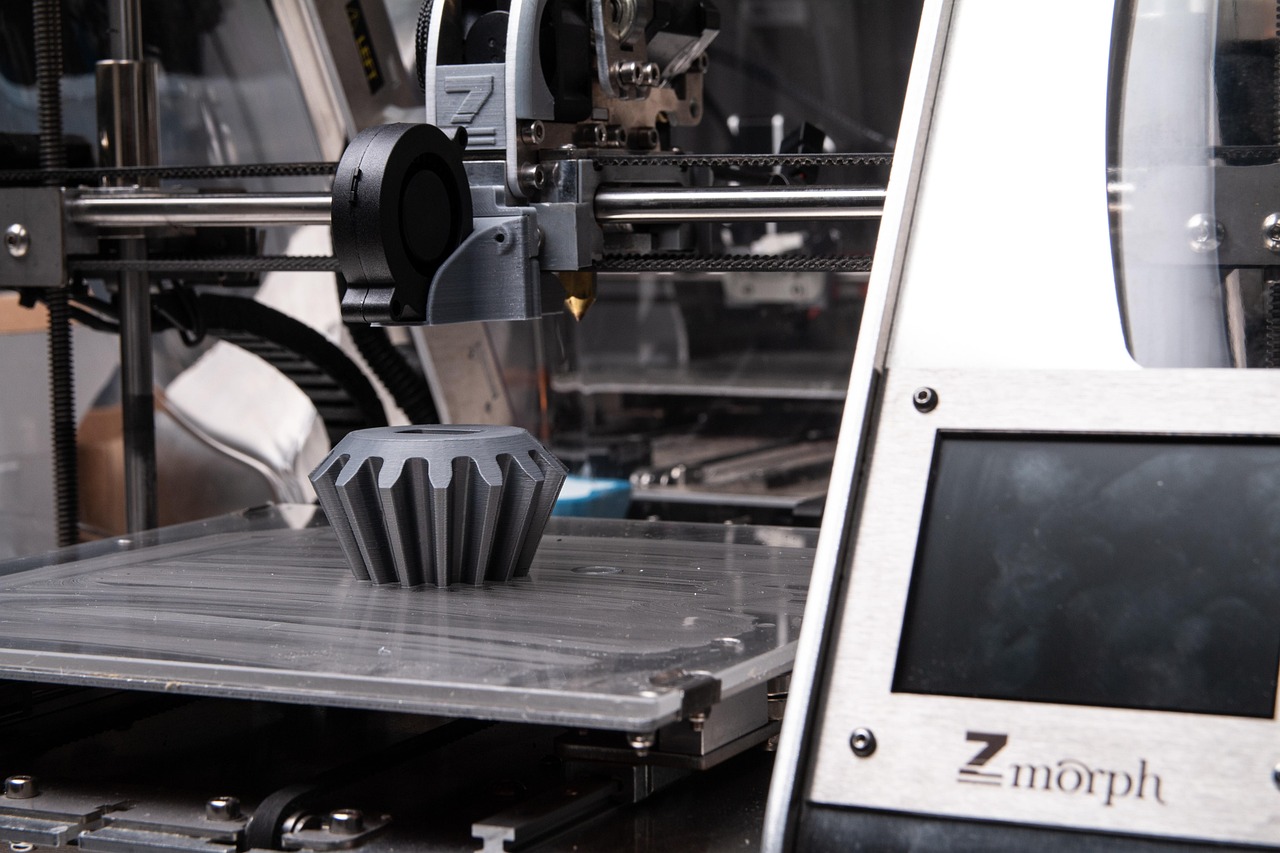
Photo credit: ZMorph3D (Pixabay, Creative Commons 0)
